Drawing Letter: A Handwritten Font for Authentic Branding
As a small business owner, you know that your brand is more than just a logo or a product. It is the feeling customers get when they interact with your materials. Whether you run a cozy café, sell handmade candles online, or offer coaching services, consistency is key to building trust. One of the most impactful yet often overlooked elements of your brand identity is typography. Choosing the right typeface can transform a generic design into something memorable and personal. This is where Drawing Letter comes in.
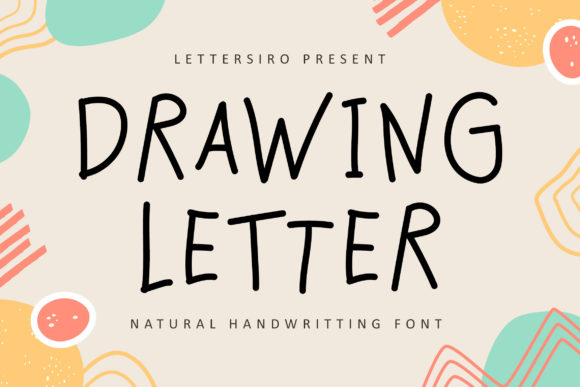
Drawing Letter is a cute and simple lettered handwritten font that brings an authentic, realistic feel to your designs. Unlike stiff, mechanical typefaces, this script font mimics the natural flow of handwriting. It is perfect for adding a human touch to chalkboard quotes, teaching materials, and various marketing assets. For entrepreneurs who want their business to feel approachable and genuine, this premium font offers a practical solution without sacrificing professionalism.
Why Authentic Typography Matters for Small Businesses
In a digital world saturated with polished, corporate aesthetics, customers are increasingly drawn to brands that feel real. A handwritten font like Drawing Letter helps bridge the gap between your business and your audience. It suggests that there is a person behind the product, not just a faceless corporation. This emotional connection can be the difference between a browser and a buyer.
When you use a display font with personality, you create a visual hook. It makes your social media posts stand out in a crowded feed and ensures your packaging feels special enough to keep. However, authenticity does not mean messy. Drawing Letter strikes a balance between casual charm and legible structure, making it a versatile tool for modern typography needs.
Practical Applications for Your Brand Materials
You might be wondering where exactly to use this creative font. The versatility of Drawing Letter allows it to shine across multiple touchpoints. Here are some realistic ways to integrate it into your daily operations:
- Packaging Design: Use it on labels for homemade jams, artisan soaps, or boutique clothing tags. The handwritten style adds a craft-quality feel that mass-produced labels lack.
- Social Media Graphics: Create eye-catching Instagram stories or Pinterest pins. Short quotes, promotional announcements, or behind-the-scenes captions look engaging when written in a friendly script.
- Thank-You Cards: Include a personalized note in your shipping boxes. A handwritten-style font reinforces the care you put into fulfilling orders.
- Café Menus and Chalkboards: If you own a food service business, this font is ideal for daily specials or quote boards. It replicates the look of actual chalk writing without the mess.
- Website Banners: Use it for headlines on your homepage to welcome visitors with warmth before switching to a cleaner font for body text.
Readability and Real-World Performance
One common concern with script fonts is readability. Will customers be able to read it on a small mobile screen? Can they decipher it on a tiny product label? Drawing Letter is designed with simplicity in mind. Its clean lines and open spacing ensure that it remains legible even at smaller sizes, though it performs best as a headline or accent.
For instance, if you are designing a sticker for a small candle jar, Drawing Letter works beautifully for the product name. However, for the ingredient list or safety warnings, you should pair it with a highly readable sans serif font. This combination ensures that your design is both attractive and functional. Always test your designs by printing them out or viewing them on different devices before finalizing your design assets.
Smart Font Pairing Strategies
To make the most of Drawing Letter, you need to understand how to pair it effectively. A good rule of thumb is to balance expressive typefaces with neutral ones. Since Drawing Letter has a distinct personality, it should not compete with other decorative fonts.
Try pairing it with a clean sans serif font for a modern, minimalist look. This works well for tech startups, coaching businesses, or contemporary boutiques. Alternatively, pair it with a classic serif font to create a vintage or academic vibe, which is perfect for bookshops, bakeries, or educational materials. The contrast between the handwritten style and a structured typeface creates visual hierarchy, guiding the viewer’s eye to the most important information first.
Building Consistency Across Touchpoints
Consistency builds recognition. When customers see Drawing Letter on your Instagram post, then again on your website banner, and finally on your product packaging, they begin to associate that specific look with your brand. This repetition creates a cohesive brand identity that feels professional and trustworthy.
However, consistency does not mean using the same font for everything. Use Drawing Letter strategically for emphasis. Let it handle the headlines, logos, and short calls to action. Use simpler fonts for long paragraphs of text. This approach keeps your web design and printed materials easy to read while maintaining your unique aesthetic.
Licensing and Professional Use
Before you start redesigning your entire brand, it is crucial to check the licensing terms. As a business owner, you must ensure that your use of Drawing Letter complies with commercial font licensing requirements. Most commercial fonts allow use in digital ads, printed packaging, and client work, but restrictions may apply to certain types of merchandise or digital downloads.
Review the license provided by Script Amp or the specific distributor. Understanding these rules protects your business from legal issues and ensures you are supporting the creators who develop these valuable typeface resources. Investing in properly licensed fonts is a small price to pay for the peace of mind and professional integrity it brings to your enterprise.
Ultimately, Drawing Letter is more than just a set of characters. It is a tool that helps you communicate your brand’s personality. By using it thoughtfully in your logo design, marketing materials, and customer communications, you can create a brand experience that feels personal, professional, and uniquely yours.